
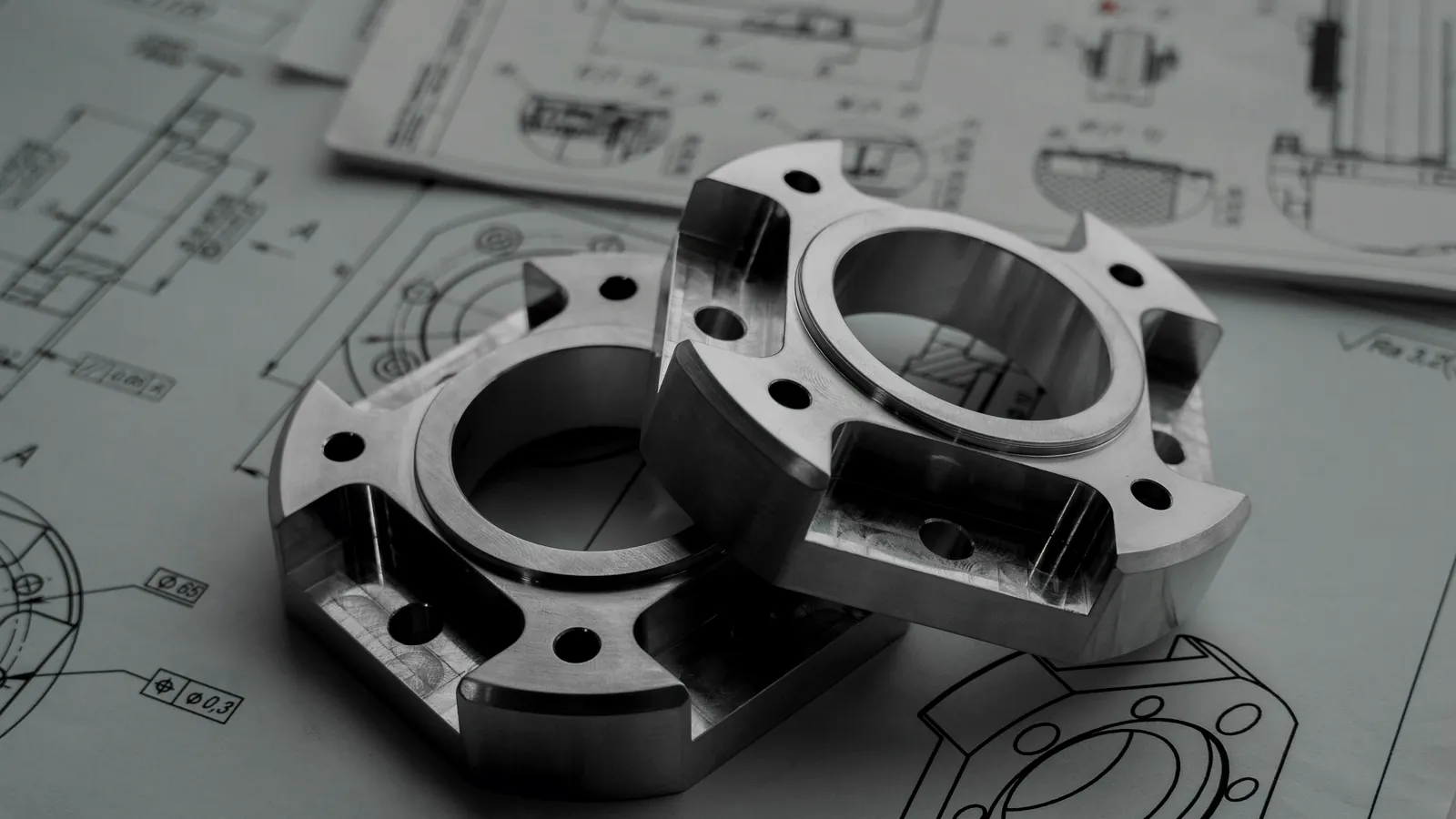
Nameplate
Confirms maker, model, serial number and operating equipment context.
What to send when the vessel needs engine-room spare parts supply but the data is incomplete.

Ship managers and technical purchasers often work with incomplete part data. Vessel Core can begin from a part number, photo, nameplate, old offer, invoice, packing list, drawing, Excel list or maker/model context.
The goal is simple: reduce ambiguity before supply route review, keep urgency visible and protect private customer, order and supplier details.
Each evidence type answers a different supply question.
Confirms maker, model, serial number and operating equipment context.
Show markings, shape, installed position, damage and component family.
Fastest route when it is correct, complete and tied to the equipment.
Useful for position numbers, exploded views and uncertain descriptions.
Useful for wording, line grouping, quantities and previous supply context.
Useful for delivered item wording, package grouping and quantity checks.
Almost every page here asks for the nameplate. This is why. One photograph usually carries the designation, the serial and the rating — and it settles who actually built the engine, which is the part buyers most often get wrong.

The plate leads with Doosan and names Sulzer beside it. The engine is a Sulzer RTA design built under licence. Parts are identified against the Sulzer designation, not the builder — send both names and the ambiguity disappears.
The serial, here NL 1841. It separates your unit from every other engine of the same type, and a parts book is indexed against it.
8RTA96C-B. The designation carries bore, stroke variant and mark. One missing character changes the component.
The contracted maximum continuous rating — a power figure and a shaft speed, both legible on the plate above. Useful as a cross-check: if the rating does not match the type, one of the two was transcribed wrong.
Doosan Engine Co., Ltd. Tells us whose drawings and part numbers apply, which can differ between licensees of the same design.
A photograph of the plate beats a typed transcription: it cannot lose a character, and it shows fields we did not think to ask for. If the plate is unreadable or painted over, send the engine-room log, the parts book page or an old order reference instead.
Representative licensed photography, not a Vessel Core installed reference or completed job. Builder plate photo: NAC, Wikimedia Commons, CC BY-SA 4.0. Vessel Core has no dealership, distribution or partnership agreement with any manufacturer named on this page; it operates as an independent spare parts supplier.
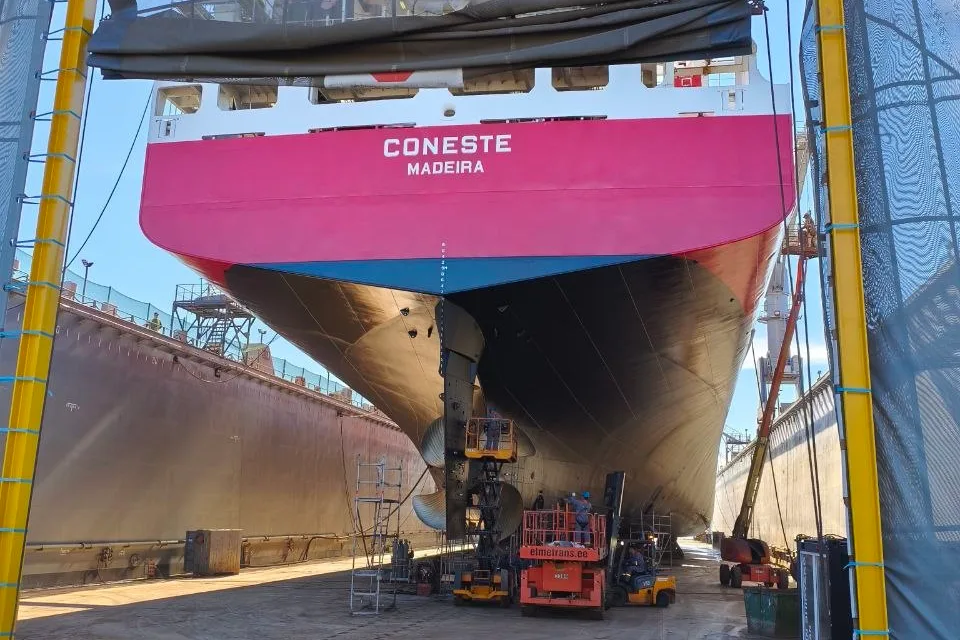
Vessel Core's own photograph, taken during a yard visit in September 2026 and published with the vessel owner's permission. It is not a claim that Vessel Core supplied equipment to this vessel or carried out the work shown.
Nothing here was arranged for the camera. It is one pass along a machinery space, past the auxiliaries and out towards the air receivers, and it explains most of what a plate photograph cannot.
Even when the part number is missing, a route hint helps the first review: seals/gaskets/bearings, pumps, valves, engine components, turbochargers, separators, compressors, sensors or filters.
Old offer, invoice, packing list, nameplate, drawing, photo or part number can all be useful. Add quantity, urgency, port and ETA for a better route.

