
Marine Engine-Room RFQ
Without a Part Number
What to send to a marine spare parts supplier when the label, drawing or original reference is missing
A missing part number should not stop the RFQ.
Many vessel spare parts requests begin with incomplete data. A buyer may have a damaged component, a nameplate photo, a drawing position, an old invoice, or a description from the engine room. None of that is a poor starting point. On equipment that has been in service for twenty or thirty years it is often a better one than a part number, because a number carries no evidence of its own age: it records what someone wrote down once, not what is actually fitted today. Vessel Core structures these inputs so the supply route can still move forward.
The goal is to reduce clarification loops. Strong evidence helps identify the installed equipment, avoid wrong supply and prepare a clearer commercial request for OEM or verified alternative review. It is worth knowing where a part number can mislead, because the common failures are silent ones. Part books are superseded, and a reference withdrawn two revisions ago still reads like a valid reference. An engine or a pump built under licence often carries the licensee's numbering rather than the design house's, so the same physical component has more than one correct number depending on who assembled it. And a number copied from a previous purchase order describes what was bought on that occasion — which is not always what was fitted, and never accounts for what has been fitted since.
Evidence checklist
Use the strongest evidence available. Even two or three items can help start the technical review. These items are not ranked by how convincing they look on paper but by how hard they are to misremember. A plate photograph is a reading of the machine as it stands; a reference typed from memory or lifted from an old file is a recollection of it. Where the two disagree, the plate decides, and simply saying which of the two you are working from is useful information in itself.
Equipment identity
- Maker name
- Model or type
- Serial number
- Nameplate photo
- Installed system or position
Part evidence
- Close-up of markings
- Full component photo
- Drawing position
- Manual page
- Old supplier reference
Commercial context
- Quantity
- Urgency level
- Current port or next port
- ETA and delivery deadline
- OEM or alternative preference
Send context, not only a close-up.
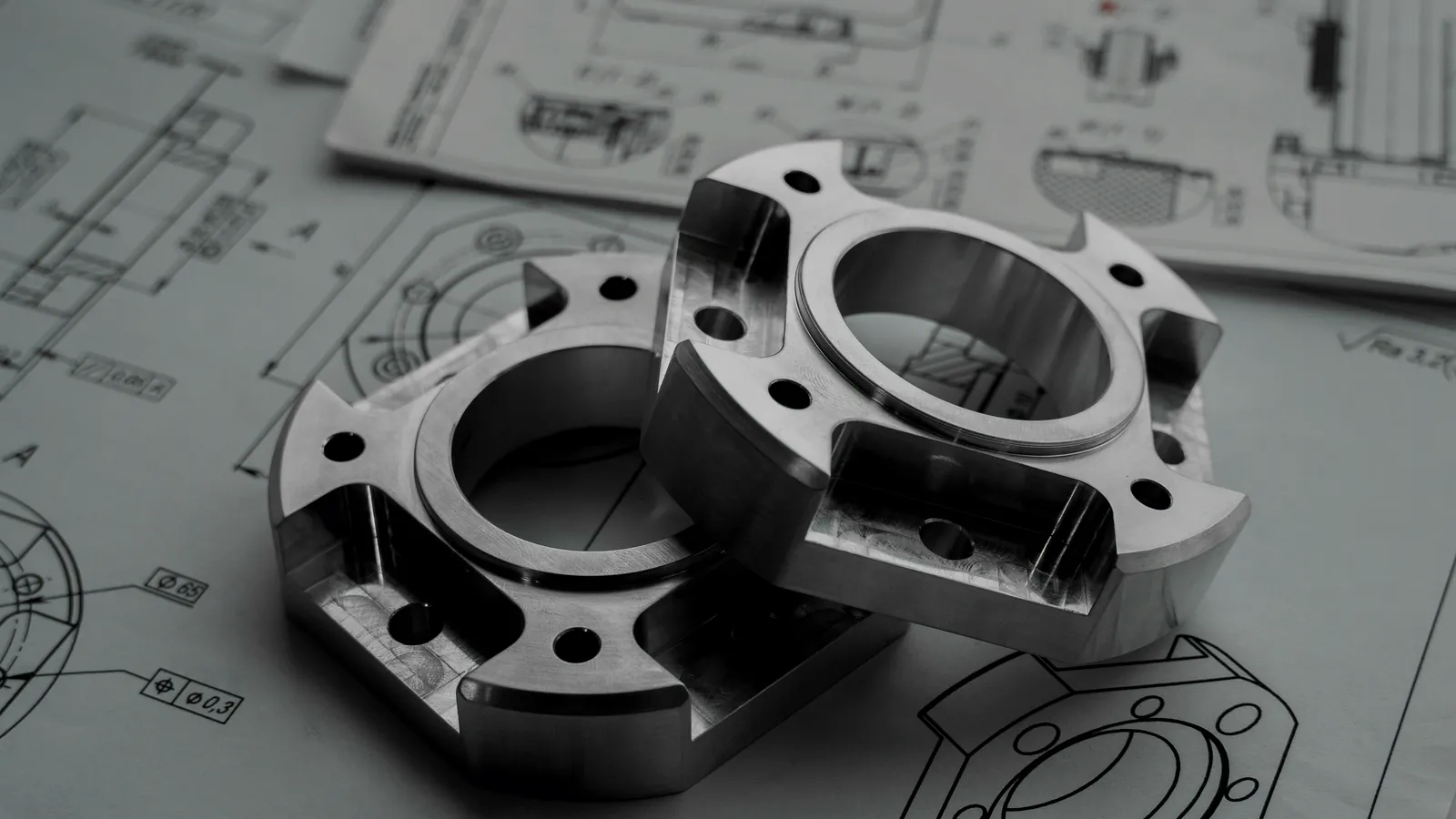
A close-up can show damage, but it often hides scale, orientation and installed position. Filling the frame with the failed area removes every reference the viewer needs: nothing to judge size against, no way to tell which end faces the drive, and no sight of how the component is held — flanged, clamped, threaded into the body, or carried on studs whose spacing settles the question on its own. A photograph answers those things in a way a reference number cannot, because a number describes a catalogue entry while a photograph describes an installation. The strongest photo set includes the equipment nameplate, full assembly, installed position, damaged area, any markings and the surrounding system. On a rolling bearing the marking on the ring is the designation itself, and the bearing designation reader shows what each part of it says.
For pumps, separators, compressors, turbochargers, valves, sensors and electrical parts, a nameplate plus one clear photo of the installed component can remove several rounds of clarification. If there is time for only one thing, it is this. Photograph the plate square-on, close enough that every stamped character can be read without guessing, and if the plate is polished, kill the flash and light it from the side so raised or punched figures throw a shadow instead of vanishing into glare. Then step back and take a second frame with the whole component in it, still in place. Those two frames settle identity and installation together, and they are worth more than an hour spent hunting a number that may have been superseded anyway. On an electric motor, the motor nameplate reader explains each field of the plate, and on a valve the valve body marking reader explains the figures cast on the body.
RFQ FAQ
Short answers for buyers preparing a request with incomplete data. Incomplete is the normal condition of an engine-room enquiry, not an exception that needs apologising for.
Can Vessel Core quote without a part number?
A request can start without a part number when maker, model, serial data, photos, drawings or manual pages are available. The supply route depends on the quality of the evidence, not on whether a number was included. What comes back is a review that says what has been established, what still needs confirming, and which of those confirmations you can supply without going further than the machine itself. Price, availability and timing are stated after that review, not before it.
Should I ask for OEM, alternative or both?
If approval rules are strict, state OEM only. If lead time or budget is important, ask for OEM and verified alternative routes to be reviewed together. Which of the two applies is worth a line in the first email, because it changes what is worth looking for: an item that must carry maker documentation is searched for differently from one where the question is fitment and material. Where you are not sure which rule covers a particular line, say so rather than deciding quietly — an unstated assumption is the thing that gets discovered at the gangway.
Where should I send attachments?
Send photos, drawings, Excel lists, nameplates and manual pages to sales@vesselcore.eu with the vessel, port and urgency details. Attachments are easier to work from than descriptions pasted into the body of the message, and a photograph named after the equipment it shows — rather than the number the camera gave it — saves a round of asking which machine is which when several plates arrive together.
Missing part number? Send the evidence you have.
Include vessel / IMO, maker, model, photos, quantity, urgency and port / ETA. Vessel Core will structure the request for supply route review. If one of those is missing, send the rest rather than waiting until the set is complete — the gap can be named in the reply and closed in a single exchange, which is quicker than holding the whole request back for it.
